Brick and shaking do not get along
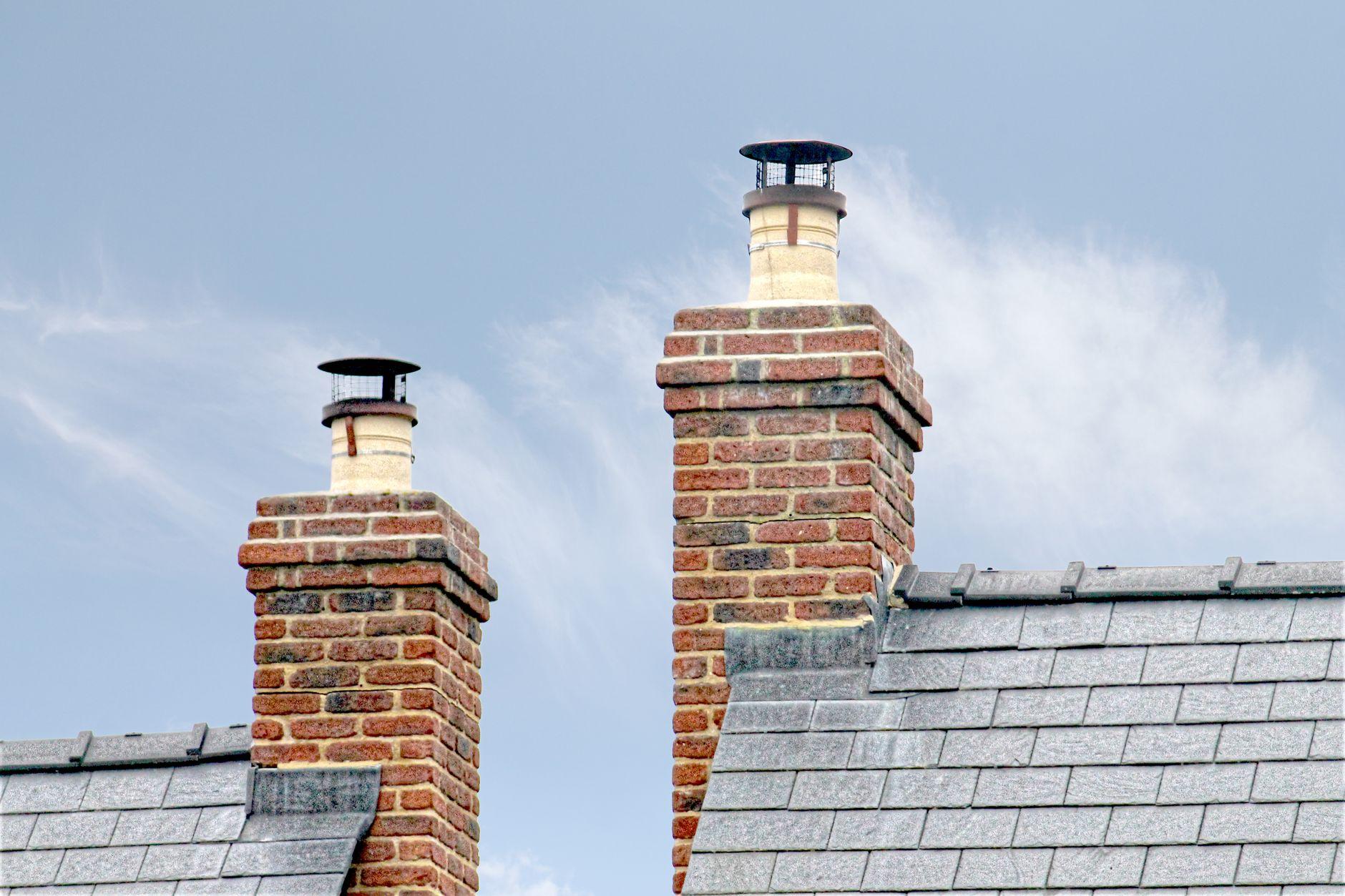
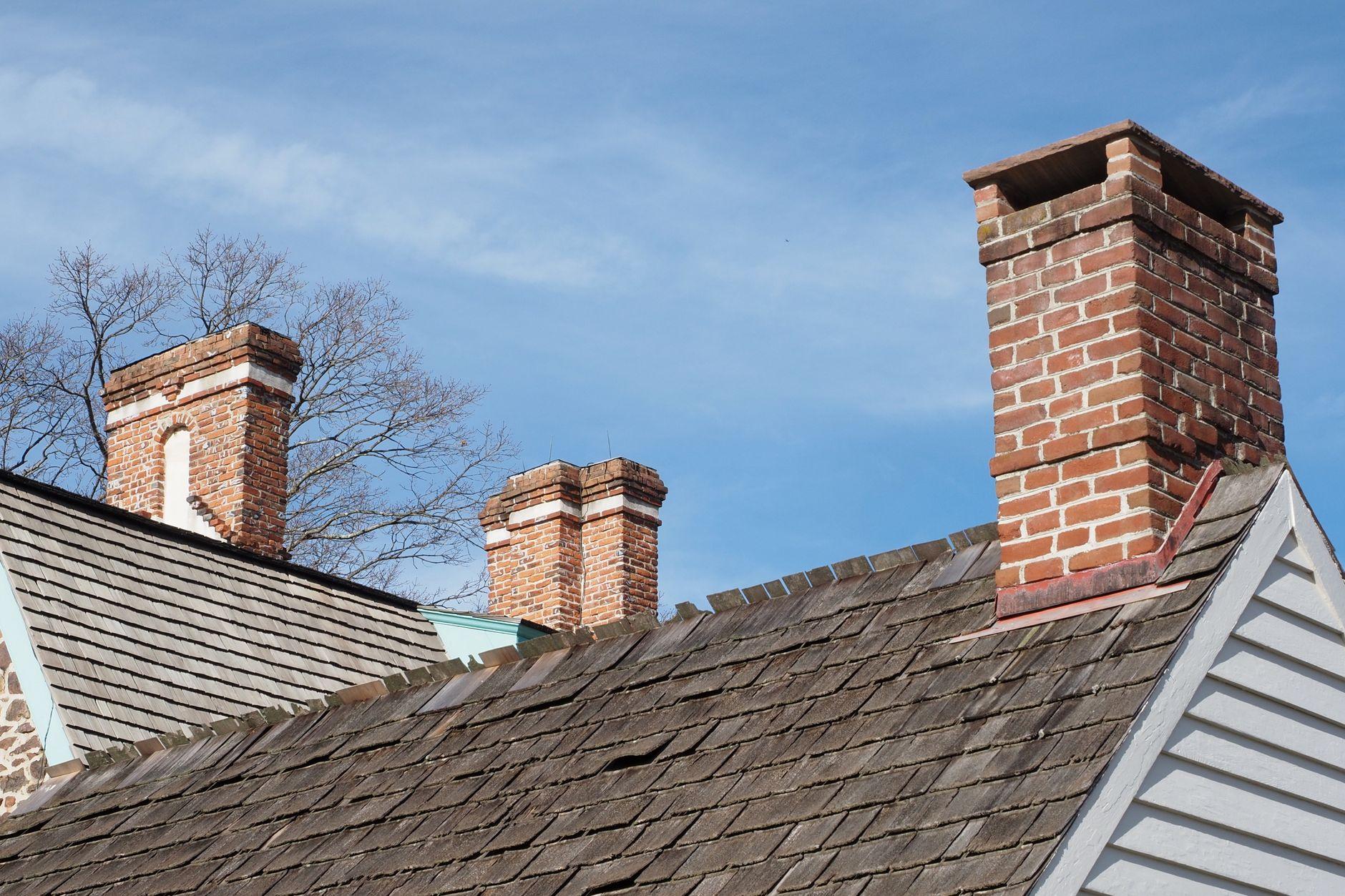
Plain brick laid without steel carries enormous weight straight down, yet a lateral shove cracks its mortar beds easily. A chimney is a tall column of exactly that material, sitting mostly on its own footing beside a timber house that sways and flexes in a quake. When the ground moves, the two parts try to go their separate ways. The brick above the roof, with nothing around it, swings the most, and the mortar joints where it leaves the roof take the worst of it.
Southern California has a long record of brick stacks cracking at the roofline or toppling onto roofs, yards and driveways in strong quakes, the 1994 quake among them. Riverside and the Inland Empire sit in the same quake country. That is why owners here ask us about seismic work, and why it is one of the masonry jobs we price most carefully.
What a seismic retrofit is trying to do
No retrofit makes an old brick chimney quake-proof. What a good one does is reduce the chance that the heavy upper part of the stack breaks loose and falls, and keep it attached to the house if it does crack. The approaches below all aim at that, by different routes.
Option one: ties at the floor and ceiling lines
Steel straps or angles are fixed to the brick and run to the house framing at the levels where the chimney passes the ceiling and roof structure. The framing then helps hold the stack in place when the house moves. On many single-story Riverside homes this is the lighter-touch option. It needs sound masonry to anchor into and access to the framing in the attic.
Option two: a brace above the roof
Where a good length of stack stands above the roofline, a steel brace can be added from the upper brick to the roof structure, tying the part most likely to fail back to something that moves with the house. Braces are fitted on whichever side suits the roof layout and finished so they do not catch water or loosen roofing. This is often combined with straps lower down.
Option three: rebuild the top in a lighter form
On a stack whose upper brick is already loose or cracked through, bracing would just hold broken masonry together for a while. In that case the better answer is often to take the brick down to a sound point near the roof and rebuild the upper section. That can be new masonry laid with steel reinforcement and tied to the framing, or a lighter framed chase with a listed metal flue, finished in brick veneer or stucco so the chimney still looks right from the street. A lighter top weighs far less and has far less to throw around when the ground moves.
Our rebuild post explains how relaying brick is priced, and the repoint or rebuild post covers how we decide whether the brick is sound enough to keep.
How we decide which one fits
The choice depends on the masonry, not on a catalogue. On the visit we look at:
- The condition of the upper brick. Tight, firmly laid courses can be braced or tied. Loose ones need to come down first.
- How much stack stands above the roof. A short stack may need only ties; a tall one usually needs a brace or a lighter rebuild.
- The flue inside. We run a camera through it. Offset or cracked tile near the roofline often marks where the stack has already moved in past shaking.
- The attic. Whether the framing near the chimney is accessible and sound enough to take a tie.
- Signs of earlier movement. Stepped cracks running along the joints at the roofline, a gap opening between the chimney and the wall, or a lean.
- How you use the fireplace. A stack serving a fireplace you light every winter may be worth keeping in brick; one serving a fireplace you never use might be better rebuilt light or capped off below the roof.
Request a written seismic scope and tell us how far the stack rises above the roof, whether it has any visible cracks at the roofline, and whether you still burn in the fireplace.
What the written scope covers
We do not publish fixed prices for seismic work because the stacks vary too much. After the visit you get a scope that names the approach we recommend, the parts involved, any brick that has to be relaid, and how the top will be finished, with a price for the whole job. If more than one approach would work, we price both so you can compare.
We describe the work in plain terms. We do not promise that any retrofit will qualify for a particular program or rebate, and our scopes quote no code clause unless your city has asked for one. If your city or lender asks for something specific, tell us and we will work to it.
Finishing the masonry properly
A brace or tie is only as good as the brick it holds. Before any steel goes on, open joints in the upper courses are repointed with a mortar matched to the brick, and a cracked crown is replaced. Old lime-laid stacks get a softer mix; newer stacks laid in cement mortar get a matching stronger mix. A new crown with an overhang and a cap over the flue keep water out of the core of the stack, which is where long-term weakening starts. Our crown repair page covers that part.
When to have it looked at
Ideally, before you need it: when you buy the house, when you are already doing roof work, or when the chimney is due for other masonry repairs. After any noticeable shaking, stop using the fireplace until someone has looked at the flue and the stack. A Level 2 inspection at $370 covers the flue on camera, the attic and the brick above the roof.
Before the next one
You cannot choose when the ground moves. You can choose how much brick is waiting on your roof when it does. Our seismic retrofit page describes the work in more detail, and to have a mason look at your stack, go to our contact page.
Want This Looked at on Your Chimney?
A Hewitt mason sounds the brick, judges the joints and writes up the scope with the mortar named and the price set out before any work. Our crew works from Riverside across Anaheim, Placentia, La Verne and the towns around them.