
Two fixes for the same tired stack
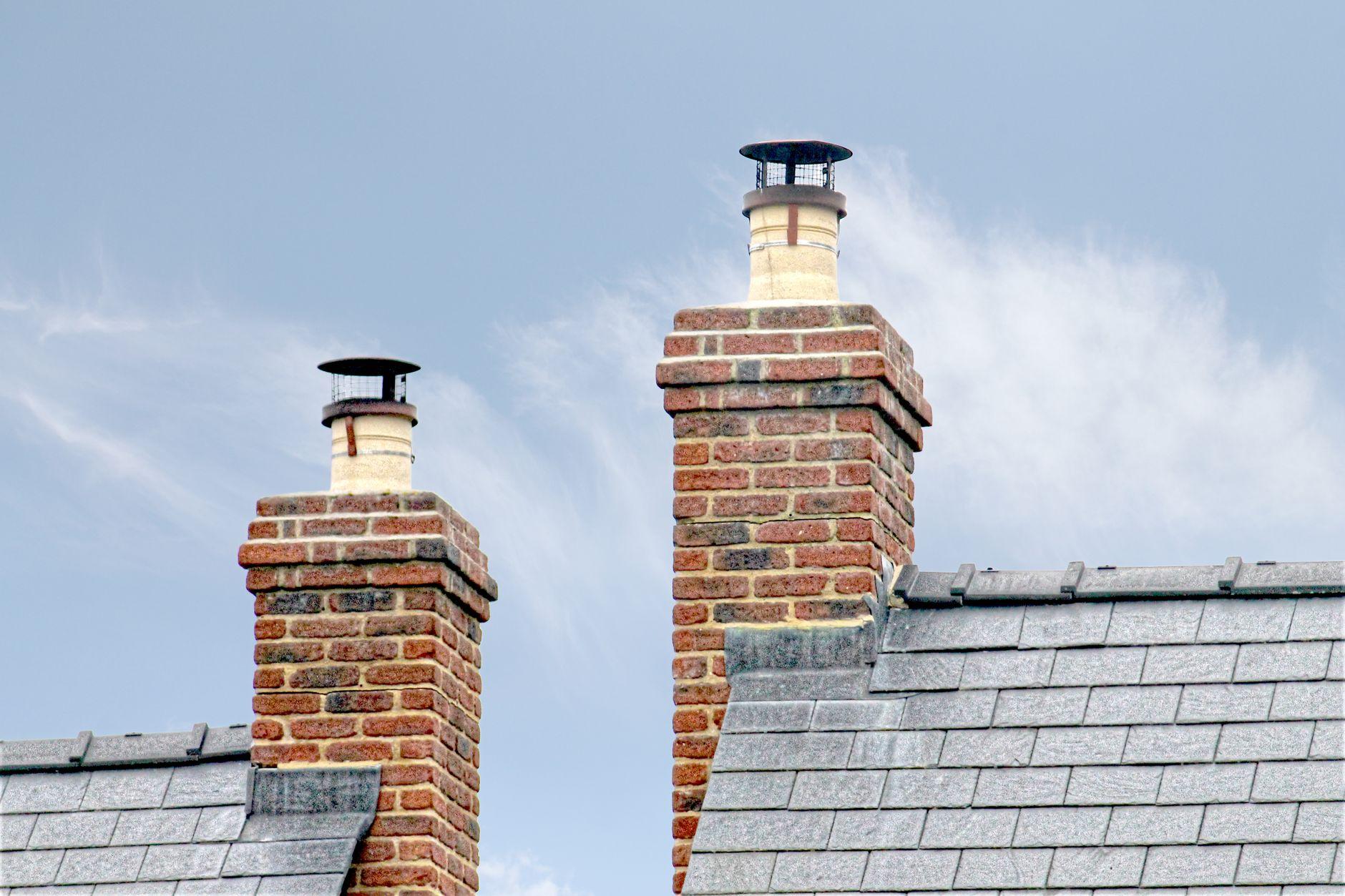
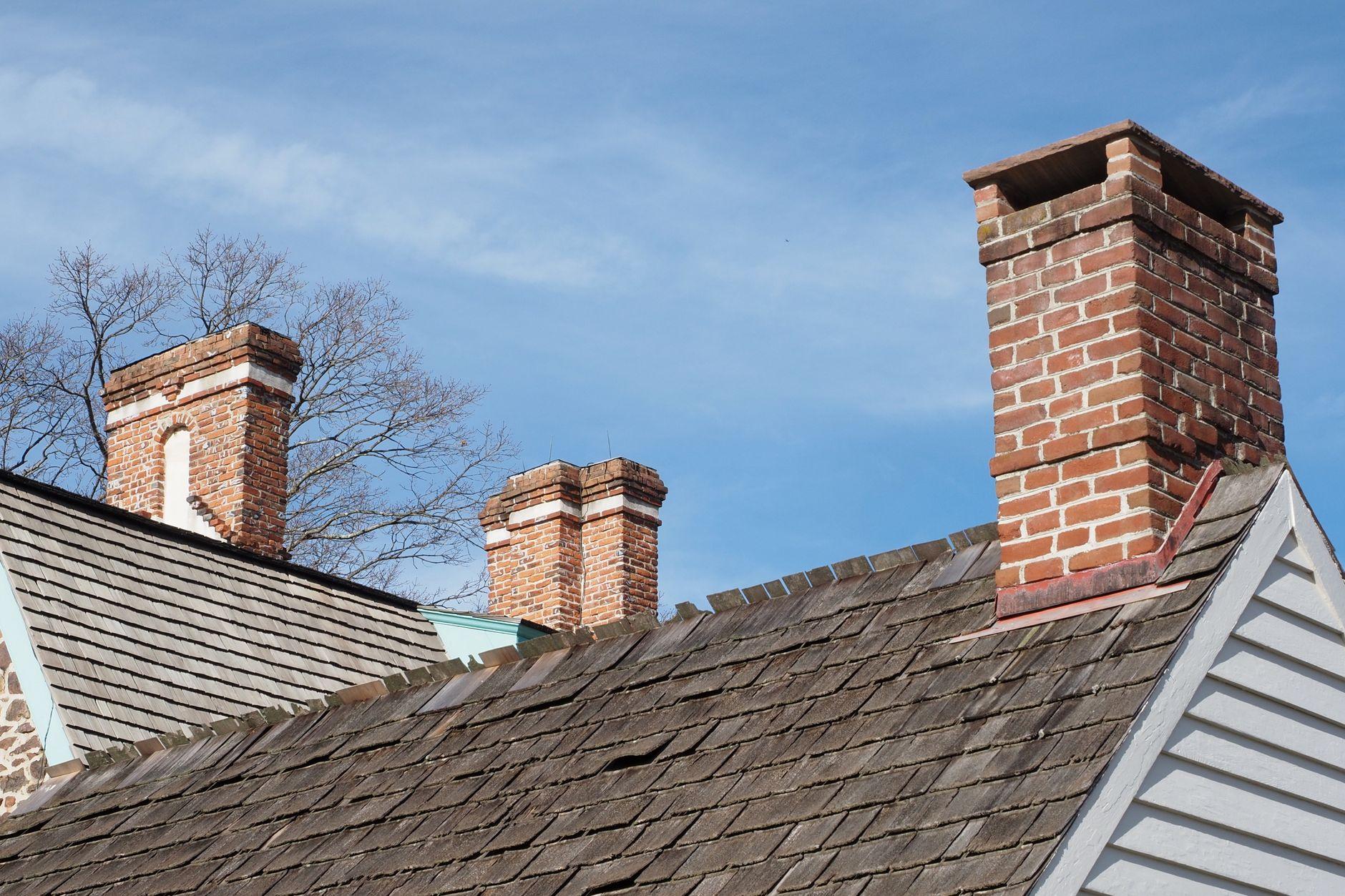
From the sidewalk, a chimney with sandy, recessed joints and a few chipped bricks looks like a candidate for demolition. Up close, it is often nothing of the kind. The bricks are tight, the stack is plumb, and what has worn away is only the outer half inch of mortar. That chimney needs repointing. A rebuild would replace good brick with new brick for no reason.
The reverse also happens. A stack that has been skim-pointed every few years can look neat while the brick under the fresh mortar has lost its bond. That chimney needs to come down to sound masonry and go back up. Another layer of mortar will not hold it.
This post lays out how our masons tell the two apart on Riverside roofs, and what each choice means for your budget and for the chimney over the next twenty years.
What repointing actually is
Repointing replaces worn mortar in the joints and leaves the bricks where they are. The mason cuts out the failed mortar to a depth where the remaining mortar is firm, cleans the joint, and fills it with fresh mortar in layers, then tools the surface to a profile that sheds water. Done properly, it restores the weather seal of the stack and lets the brick go on doing its job.
It works when the bricks themselves are sound and still locked to each other below the surface. It is the right answer for most chimneys that have simply weathered.
What rebuilding actually is
Rebuilding takes the brick apart, course by course, down to the point where the masonry below is solid and well knit. The good bricks are cleaned and set aside, damaged ones are replaced with matched brick, and the stack is laid back up on new mortar, with new flue tile through that section if needed, a new crown and fresh flashing. Our rebuild cost post goes through how that is priced.
The tests we run on the roof
The decision comes from the brick, not from the look of the stack. These are the checks we make before we recommend either job:
- Hand pressure on the upper courses. If bricks shift or rock when pressed, the bond is gone and repointing will not bring it back.
- Depth of mortar loss. We probe a sample of joints. Loss of a quarter to half an inch across the stack is a repointing job. Joints that are hollow right through are not.
- Brick faces. A few spalled bricks can be cut out and replaced during repointing. Spalling across a large part of the stack points toward relaying.
- Plumb and alignment. A stack that leans, twists or has shifted on its base has moved as a unit. That needs more than joint work.
- The flue inside. A camera run tells us whether the flue tile is intact through the section we are looking at. Rebuilding the outside of a stack with a broken flue inside it solves half the problem.
- Past repairs. Hard grey mortar packed into an old lime-laid stack is a red flag. Bricks next to those joints often crack, and the old repair has to come out before anything else can go in.
What each one costs over time
Repointing costs less up front. It also lasts, if the mortar is matched to the brick and the top of the chimney is kept dry. A properly repointed stack under a sound crown and cap can go many years before it needs attention again.
Rebuilding costs more, because every course that comes down has to be relaid. It also resets the clock: new mortar throughout, new crown, new flashing. When the brick has truly lost its bond, a rebuild is the cheaper choice over the life of the house, because repeated repointing of a loose stack keeps buying time that runs out.
Neither repair has a published price on our list. Both depend on the size of the stack, the number of courses affected and the access. We measure and write the figure down once we have done the checks above.
Get a written repair or rebuild scope and tell us how tall the chimney is, what roof it sits on, and where the mortar looks worst.
Matching mortar either way
Whichever route the chimney takes, the mortar has to suit the brick. Older stacks around Riverside were frequently laid with a softer, lime-heavy mix that lets the joint, not the brick, take the movement and the moisture. Newer stacks were laid in stronger cement mixes with harder brick. A mason who repoints an old stack with a hard mix sets up the bricks to crack. One who rebuilds a modern stack with a weak mix leaves joints that wash out early.
Color and texture matter too. New mortar should be mixed to sit close to the weathered color of the old once it cures, and tooled to the same joint shape. A repointed band that stands out across the stack is a sign that nobody thought about matching.
The crown and cap decide how long either job lasts
Most of the water that wears out a chimney enters at the top. A cracked mortar crown lets rain soak down into the brick core, and an open flue lets it fall straight down inside. Whether we repoint or rebuild, we look hard at the crown and cap. Often the right package is repointing the upper courses, recasting the crown with an overhang, and fitting a cap. Our crown repair page covers that work, and caps quoted after we measure.
When we say "neither yet"
Some chimneys are fine. A few hairline cracks in the mortar and some surface wear on the brick do not call for a big job. We will tell you so, note what to watch, and suggest when to have it looked at again. Spending money on a sound chimney is no better than ignoring a failing one.
Bottom line
Repointing is for stacks where the brick is still holding together and the problem is in the joints. Rebuilding is for stacks where the brick itself has let go. The roof visit settles which one you have. You can read more about the work on our masonry repair page, and when you want a mason to make that call on your own chimney, start at the contact page.
Want This Looked at on Your Chimney?
A Hewitt mason sounds the brick, judges the joints and writes up the scope with the mortar named and the price set out before any work. Our crew works from Riverside across Anaheim, Placentia, La Verne and the towns around them.