The stack nobody wants to price
In most Riverside home sales the chimney turns into a guessing game. The buyer's general inspector notes some cracked mortar and a stain near the firebox and recommends a specialist. The buyer asks for a big credit to cover "chimney repairs." The seller's side thinks the stack is fine and offers nothing. Each side is arguing about a job nobody has measured.
What breaks the deadlock is a report that says exactly what is wrong with the brick, the mortar, the crown and the flue, and what kind of repair each finding calls for. That is the report we write. Our angle is masonry, so the findings are worded the way a mason would describe them to another mason, then translated into plain terms for the people signing the papers.
What a sale inspection should cover
National fire safety guidance for chimneys sets out three inspection depths, and a sale is one of the moments it points to the middle one. The reason is practical: a buyer has no history of the chimney. They do not know how hard it was used, whether it ever overheated, or when anyone last looked inside. The middle depth answers that with a camera.
On our visit for a sale, we cover:
- The flue, top to bottom, on camera. We record the footage, look for cracked or displaced tile, missing mortar between tiles, heavy deposits and anything blocking the path.
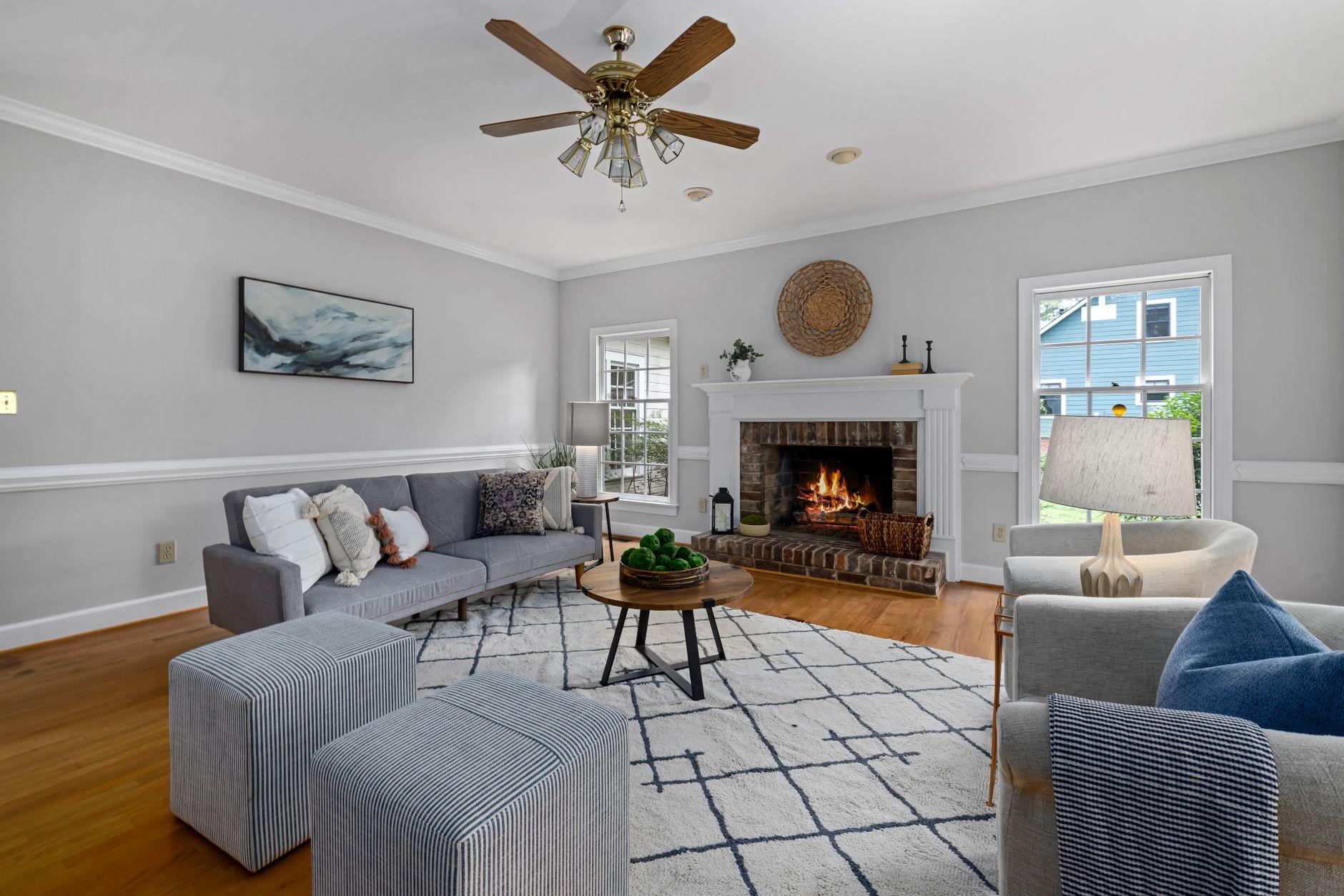
- The firebox and its brick. Firebrick, joints, the back wall and the throat where the damper sits.
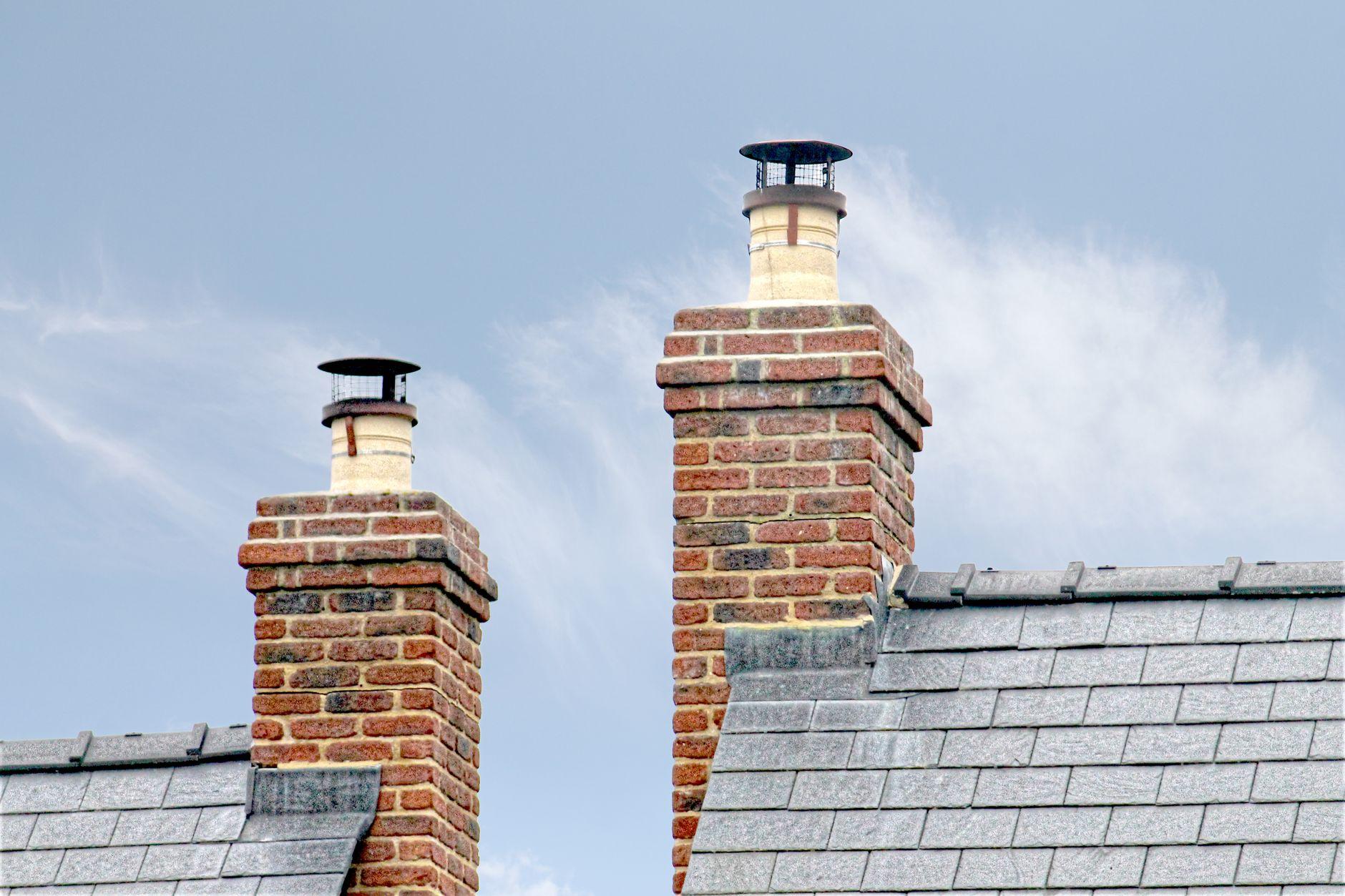
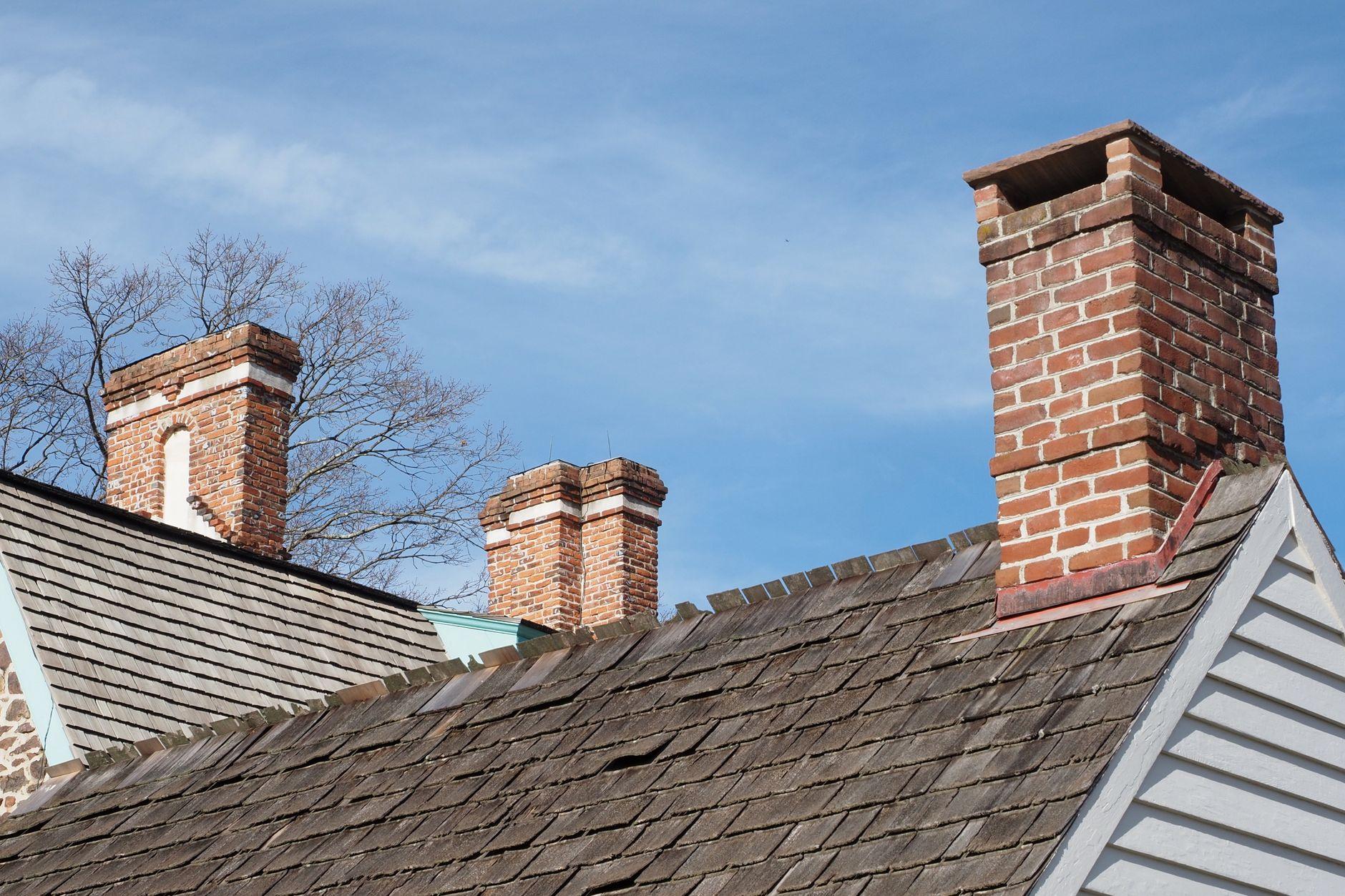
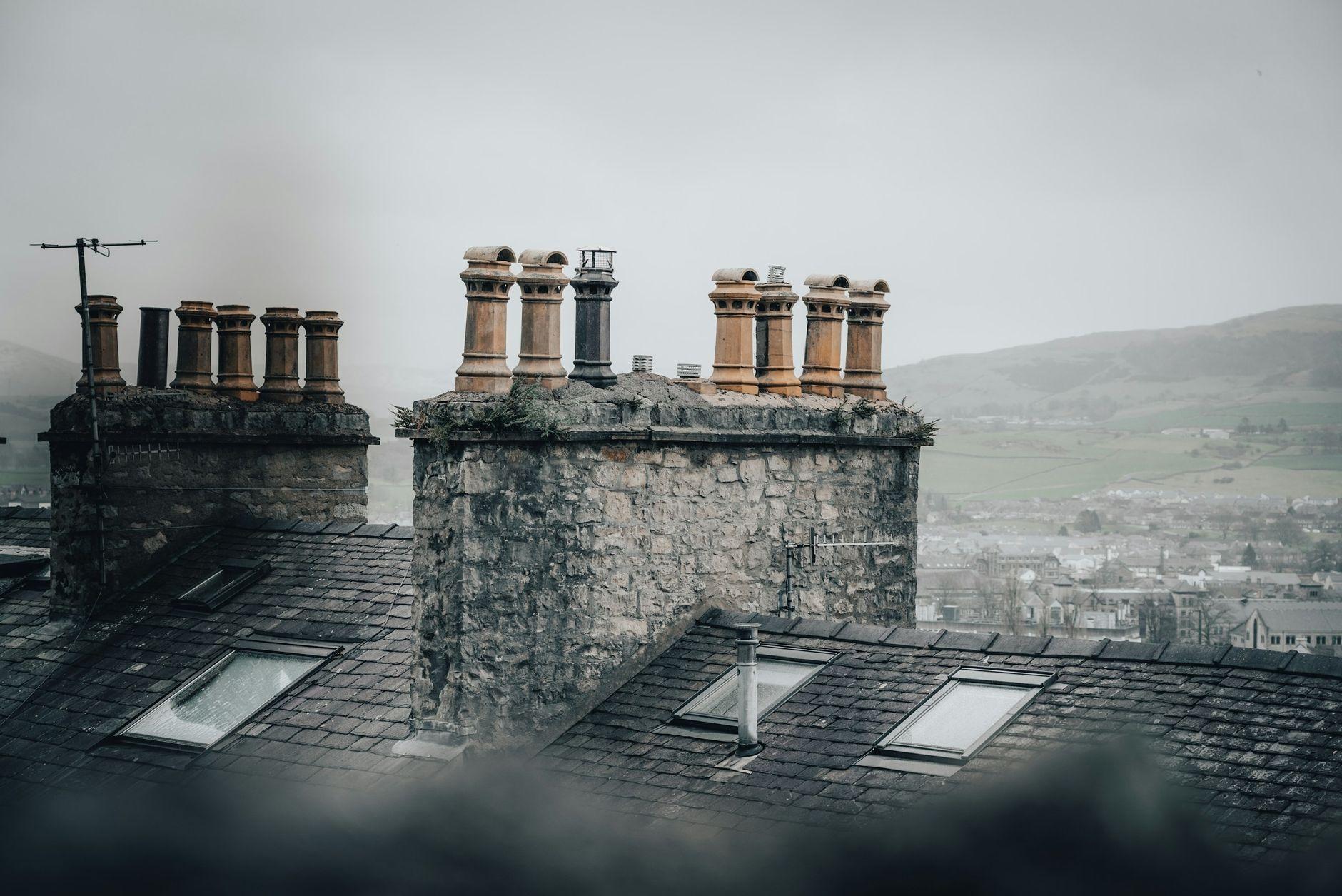
- The stack above the roof. Brick faces, mortar joints, the crown, the cap if there is one and the flashing where the stack meets the roof.
- The attic. Where the chimney passes the framing, looking for staining, gaps and how close the wood sits to the masonry.
That is our Level 2 inspection, and it costs $370. A visual-only check is $52, and it suits a seller who wants a quick first read before the house is listed, not a buyer who needs something to negotiate with.
How we write the masonry findings
A line that says "mortar deterioration noted" is no use in a negotiation. Our report says where on the stack, how far it goes and what it means. For example: open joints on the upper six courses of the north face, bricks still firm, needs repointing before the next rainy season. Or: crown cast as a thin mortar wash, cracked across in two places, water reaching the brick core, needs a new cast crown. Or: three courses below the crown loose by hand, bond lost, needs relaying.
Each finding has a photo. Each one is put in one of three groups: no action needed, watch and plan, or fix before the fireplace is used. That grouping is what the buyer and seller actually trade on.
What it means for the deal
Once the findings are on paper, the conversation changes:
- Buyers can ask for a specific repair or a credit sized to a real scope, rather than a round number pulled from the air.
- Sellers can agree to the repair, offer a credit, or decline with a clear picture of what they are declining.
- Agents on both sides can point at the same document.
When a repair is needed, we can put a written scope and price on it. Some repairs on our list carry published ranges, such as leak work at $530 to $3,200. A cap is quoted after we measure. Repointing, crown work and rebuilds are measured first, and the figure follows the report.
Book a sale inspection and tell us the address, whether you are buying or selling, and who should get the report.
Who gets the report
The report belongs to the person who pays for it. If the buyer books, the buyer decides who else sees it; usually that includes both agents and sometimes the seller. If the seller books before listing, the seller can hand it to every buyer who asks. Tell us at booking who should receive a copy and we send it to each of them.
Order of things in escrow
The chimney tends to get looked at last, because the general inspection comes first and only then does someone flag the stack. Our advice runs the other way. If the house has a masonry chimney, book the chimney visit at the same time as the general inspection. That way any repair question has a written answer while there is still room to negotiate. Our home sale page goes into that order in more detail.
Riverside stacks and what turns up
Across Riverside the findings we write most often are weathering findings: mortar washed back on the upper courses, cracked mortar crowns and missing caps. Hot dry summers bake the top of the stack and winter storms soak it, and that cycle wears out joints from the top down. Older brick stacks in established neighborhoods tend to have softer mortar that has eroded gently; newer tracts have harder mortar with cracked brick next to it. We also check for signs of past movement, because the whole region sits in earthquake country.
None of those findings are reasons to walk away from a house on their own. They are reasons to price the work properly.
For sellers thinking ahead
If you are about to list, a pre-listing inspection is the cheapest way to take the chimney off the table. You can fix the items in your own time with a mason you chose, or hand buyers a report and a price at the start. Either is better than a surprise halfway through escrow.
Last word
A chimney is just brick, mortar and tile, and all three can be measured. When you want the stack measured before the deal closes, our contact page is where to start.
Want This Looked at on Your Chimney?
A Hewitt mason sounds the brick, judges the joints and writes up the scope with the mortar named and the price set out before any work. Our crew works from Riverside across Anaheim, Placentia, La Verne and the towns around them.