Why there is no sticker price on a rebuild
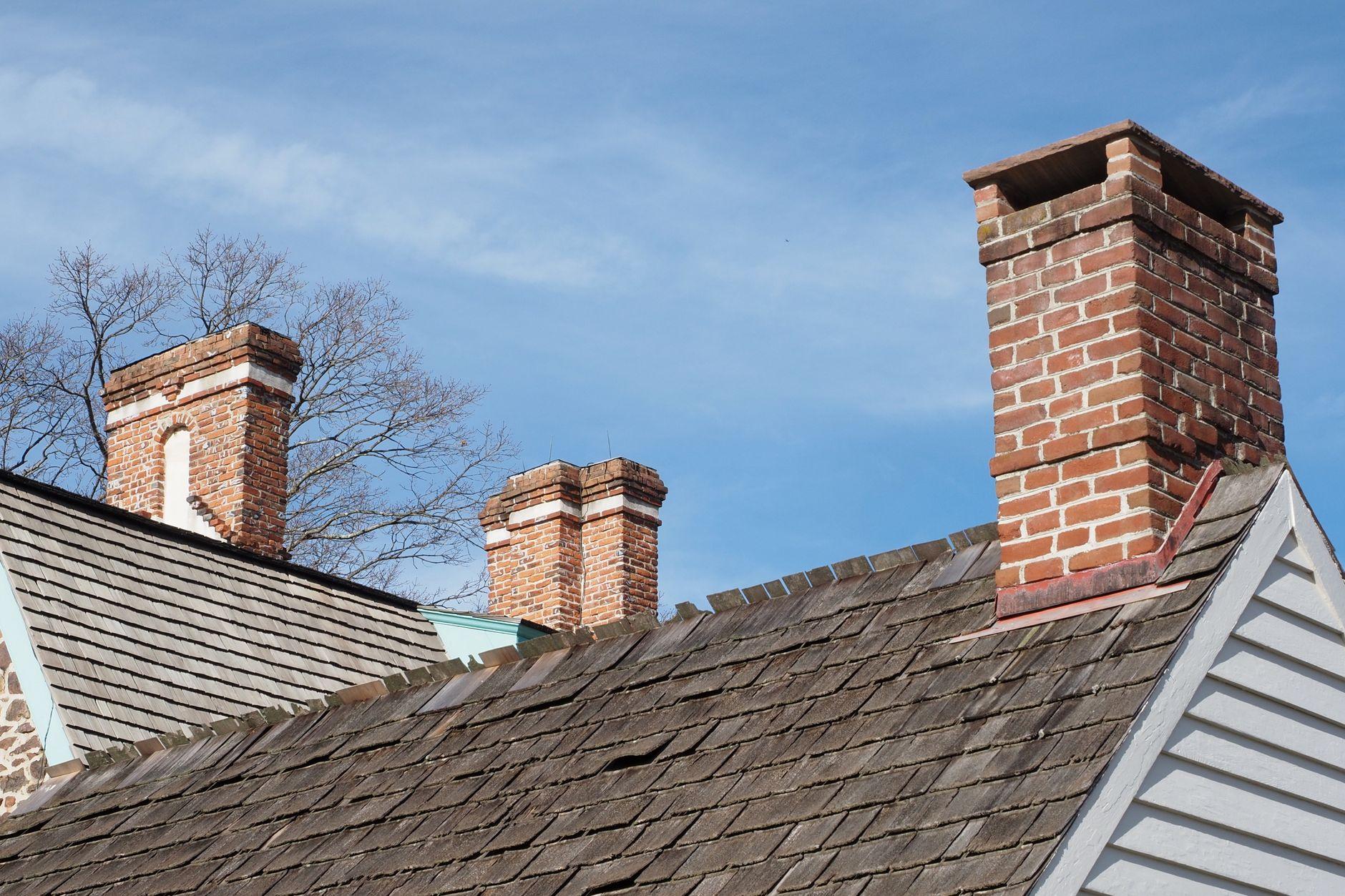
People ask us for a single number for a rebuild, and we understand why. A roof has a price per square, a water heater has a price per tank. Brick chimneys do not work that way, because no two of them have failed in the same place. On one Riverside bungalow the mortar has sanded out of the top six courses and everything below is tight. On the house next door the stack has a crack running from the crown to the attic. Both owners say "the chimney needs rebuilding," and the two jobs can differ by a factor of three or four.
So this post does not give you a made-up average. It tells you what our masons measure on the roof, how those measurements turn into a written price, and which parts of the job push the figure up or down. If you know what we look at, you can read any rebuild quote, ours or anyone else's, and see whether it adds up.
Partial rebuild or full rebuild
A partial rebuild removes only the brick above the point where the masonry is still tight and solid. Most chimneys weather from the top down. The upper courses take the sun, the rain and the wind, and that is where joints open, bricks loosen and the crown splits. If the brick lower down is sound and the flue tile below that point is intact, we take the stack apart only as far as needed, clean and stack the good brick for reuse, and lay the courses back up on a sound base.
A full rebuild is the bigger job. It is called for when the damage runs through the whole height: a stack that has lost its bond at the firebox level, a chimney that has pulled away from the house along its length, or a flue so broken that the masonry around it cannot be trusted. Then the chimney comes down to its foundation or close to it, and we lay it up again with a new flue, new mortar and a new crown.
Most of the rebuilds we price around Riverside are partial. That is good news for the owner, because the bill is driven mostly by how many courses come off.
What goes into the written price
When we price a rebuild we write down each of these, so you can see where the money goes:
- Courses removed and relaid. We count them. The more brick comes down, the more labor, mortar and haul-away.
- Brick supply. Reusing the original brick keeps the look and cuts cost, but only sound brick goes back in. Spalled or cracked units are replaced with a matched brick, and finding a close match for an older Riverside house can take some searching.
- Mortar. We match the mortar to the brick. Older stacks were often laid in a softer, lime-rich mix, and a hard modern mortar against old brick makes the brick crack instead of the joint. The mix and the color are named in the quote.
- Flue tile or liner. A partial rebuild may need new clay tile for the section we relay. If the camera shows the lower flue is cracked too, a liner may be added, and we price it as its own line.
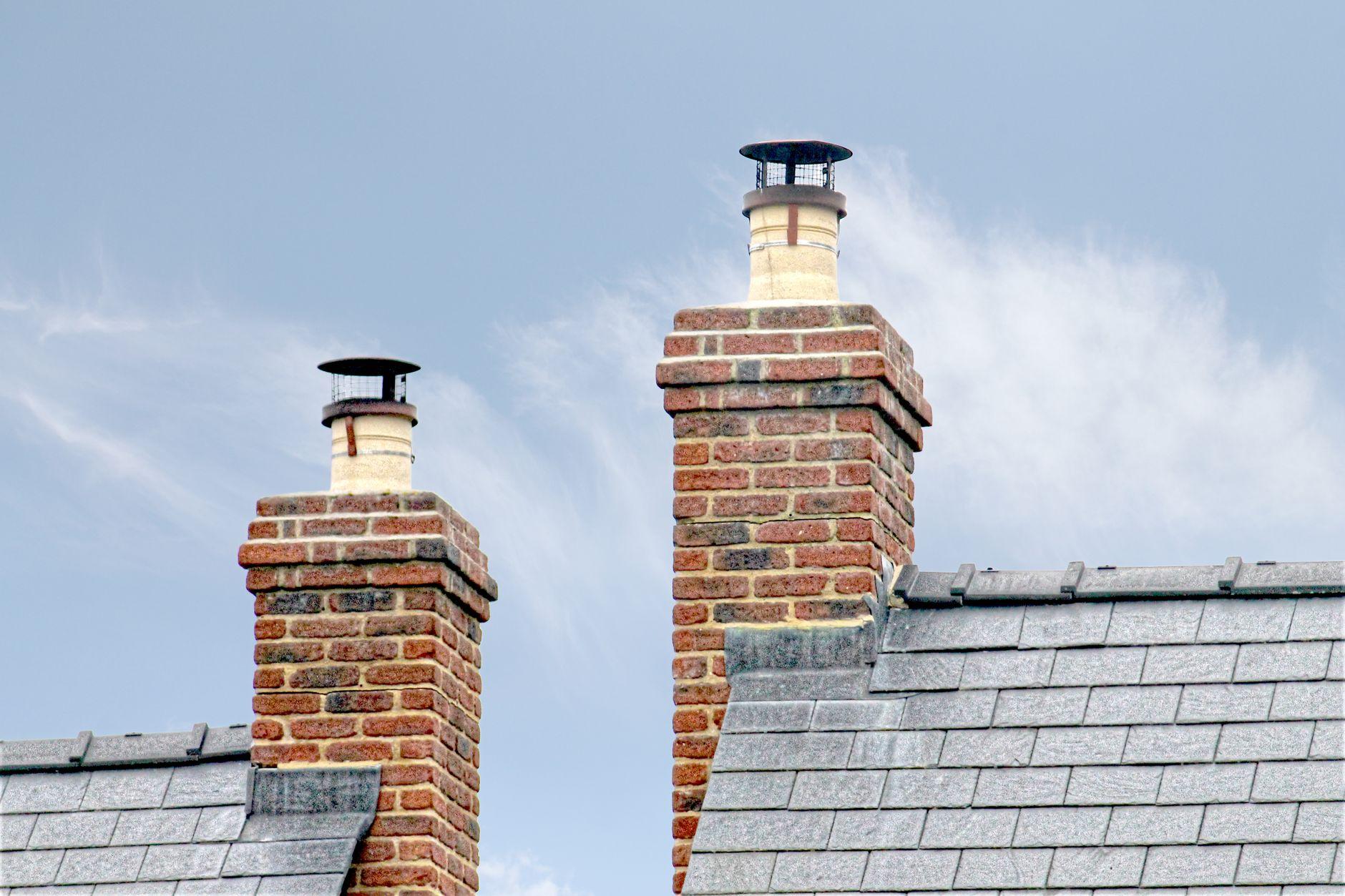
- Crown and cap. Every rebuild finishes with a new cast crown that overhangs the brick, and a cap if the chimney lacks one. On its own, a cap is measured before we price it, and its size and material move that price, so we say which cap we mean.
- Flashing. Where the rebuilt brick meets the roof, the old flashing usually comes off with it. New step and counter flashing is part of the job and part of the price.
- Access and roof. Pitch, height, tile roofs and two-story stacks change how we set up, and staging costs money.
How we size the job
Our price starts with a look at the whole chimney. We take a camera up the flue so we know how far the damage goes inside, then we go onto the roof and test the brick by hand. A mason can tell a lot by pressing on the courses, tapping joints and seeing where the mortar crumbles under a pick. We note where the sound brick starts, photograph each face of the stack and measure its height and footprint.
If the house is in escrow or someone needs the findings on paper, the visit can be a full Level 2 inspection at $370, and the rebuild price comes on top of the report. If you already have a recent report from another inspector that shows the damage, mention it when you book and we will tell you whether we need to repeat any of it.
Ask for a written rebuild price and tell us roughly how tall the chimney is, whether it is one story or two, and where the brick looks worst to you.
What pushes the figure up
A few things turn a straightforward rebuild into a larger one:
- Damage that continues below the roofline into the attic, where we have to work around framing and insulation.
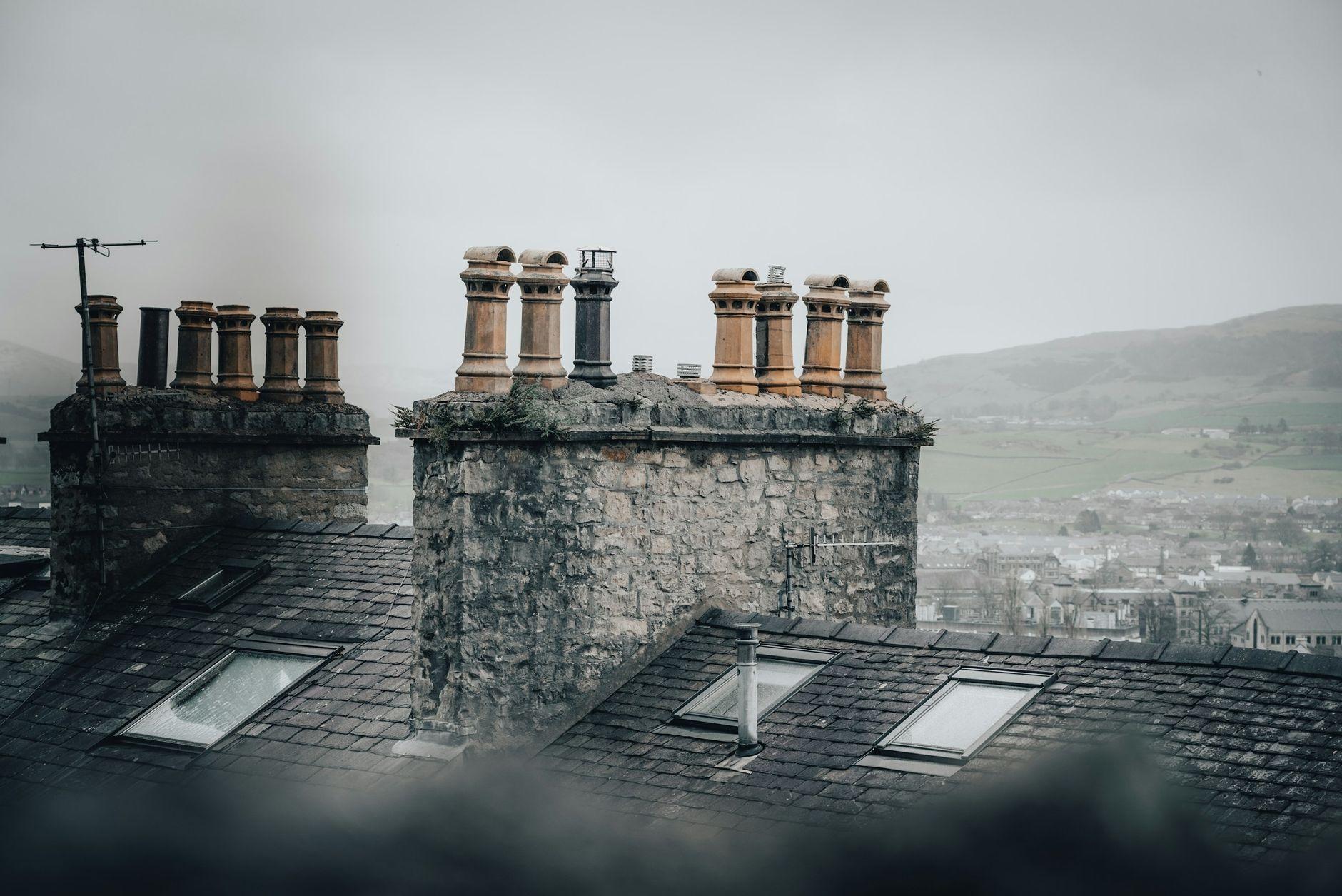
- A stack shared by two or three flues, which means more tile and a bigger crown.
- A decorative top with corbels or a pattern in the brick that has to be laid back the same way.
- Brick that cannot be reused and has to be matched from new or salvaged stock.
- Steep or fragile roofs, such as clay tile, where we have to protect and sometimes lift and reset roof tiles.
What keeps it down
The cheapest rebuild is the one done early. A stack with ten loose courses is a far smaller job than the same stack after two more winters of rain have worked into the joints and loosened another ten. Keeping a cap on the flue and a sound crown on top slows that process a great deal. So does fixing open joints with masonry repair before they reach the point where rebuilding is the only answer.
We also tell owners plainly when they do not need a rebuild at all. A stack that looks rough from the street can often be saved with repointing, a few replaced bricks and a new crown. Our post on repointing versus rebuilding covers how we make that call.
Riverside chimneys and what we usually find
The older neighborhoods around downtown Riverside have plenty of brick chimneys built when lime mortar was still common, and the newer tracts further out have stacks laid in harder cement mortars. Both wear out, in different ways. Lime joints erode gently and can be repointed many times. Hard joints tend to stay put while the brick around them flakes. Long hot summers and winter storms work on both. We see the same patterns across the region, including in Anaheim and La Verne.
Whatever we find, the quote you get lists the courses, the materials and the finish, so there is nothing hidden in a lump sum.
Next move
Our rebuild page explains the work in more detail. When you are ready to have a mason measure your stack, reach us through the contact page and we will set up a visit.
Want This Looked at on Your Chimney?
A Hewitt mason sounds the brick, judges the joints and writes up the scope with the mortar named and the price set out before any work. Our crew works from Riverside across Anaheim, Placentia, La Verne and the towns around them.