The range, and why it is wide
Our published figure for finding and stopping a chimney leak is $530 to $3,200. That is a wide spread, and owners in Riverside reasonably want to know where they will land. The honest answer is that it depends on how many paths the water has found. A leak with one cause, such as a missing cap or one failed piece of flashing, sits near the bottom. A stack where rain is soaking in through open joints, a cracked crown and tired flashing all at once sits near the top.
The masonry side of that is our trade, so this post looks at leaks the way a mason does: where water gets into brick, how it travels, and what each repair involves.
Where water gets into a masonry chimney
A brick stack is not waterproof and was never meant to be. It is designed to take on some water and dry out again. Leaks start when more goes in than can get out, or when water finds a direct route past the brick into the house. The usual entry points:
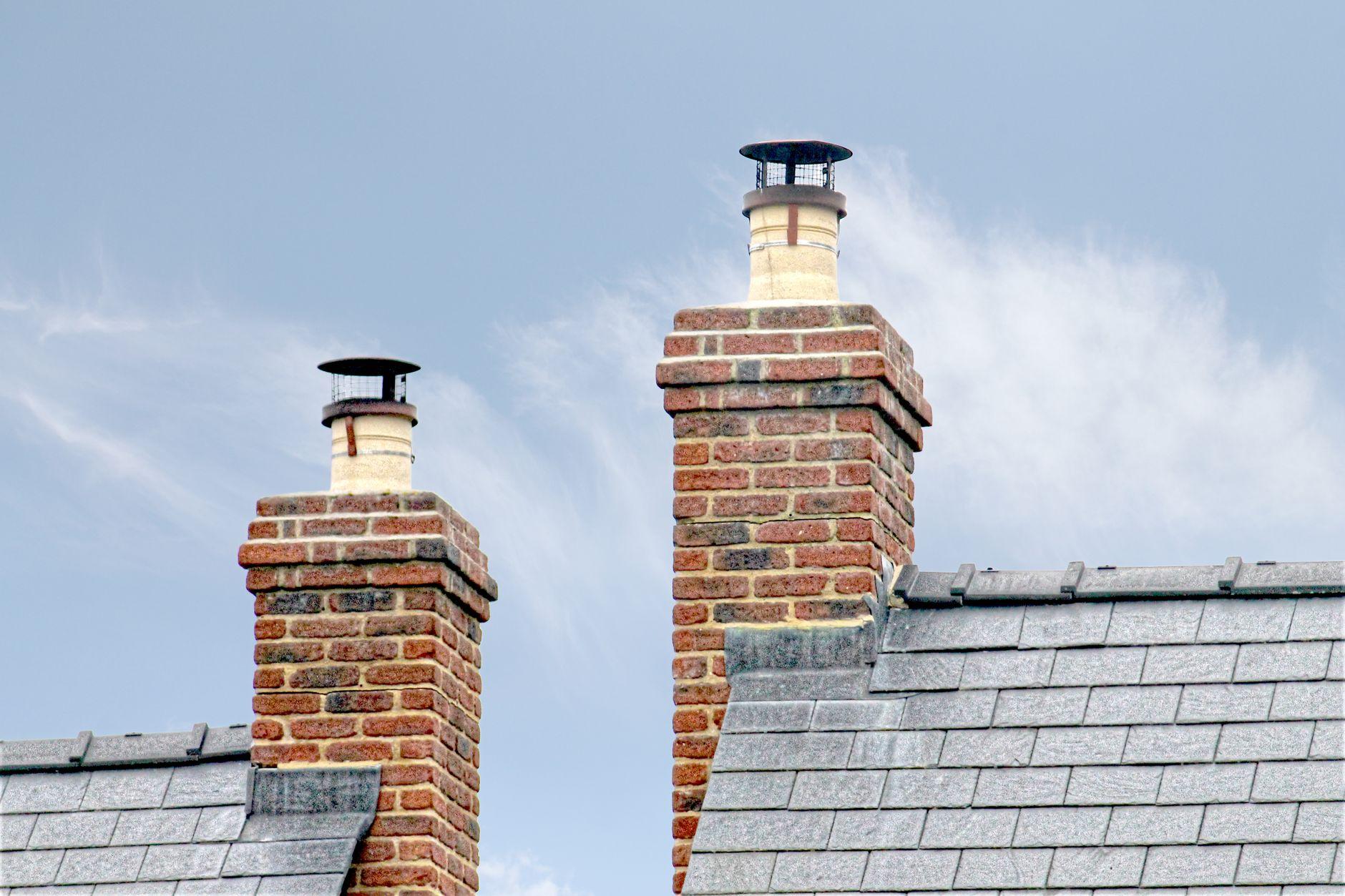
- The open flue. An uncapped top is a funnel: storm water drops past the clay tile onto the smoke shelf and the damper plate.
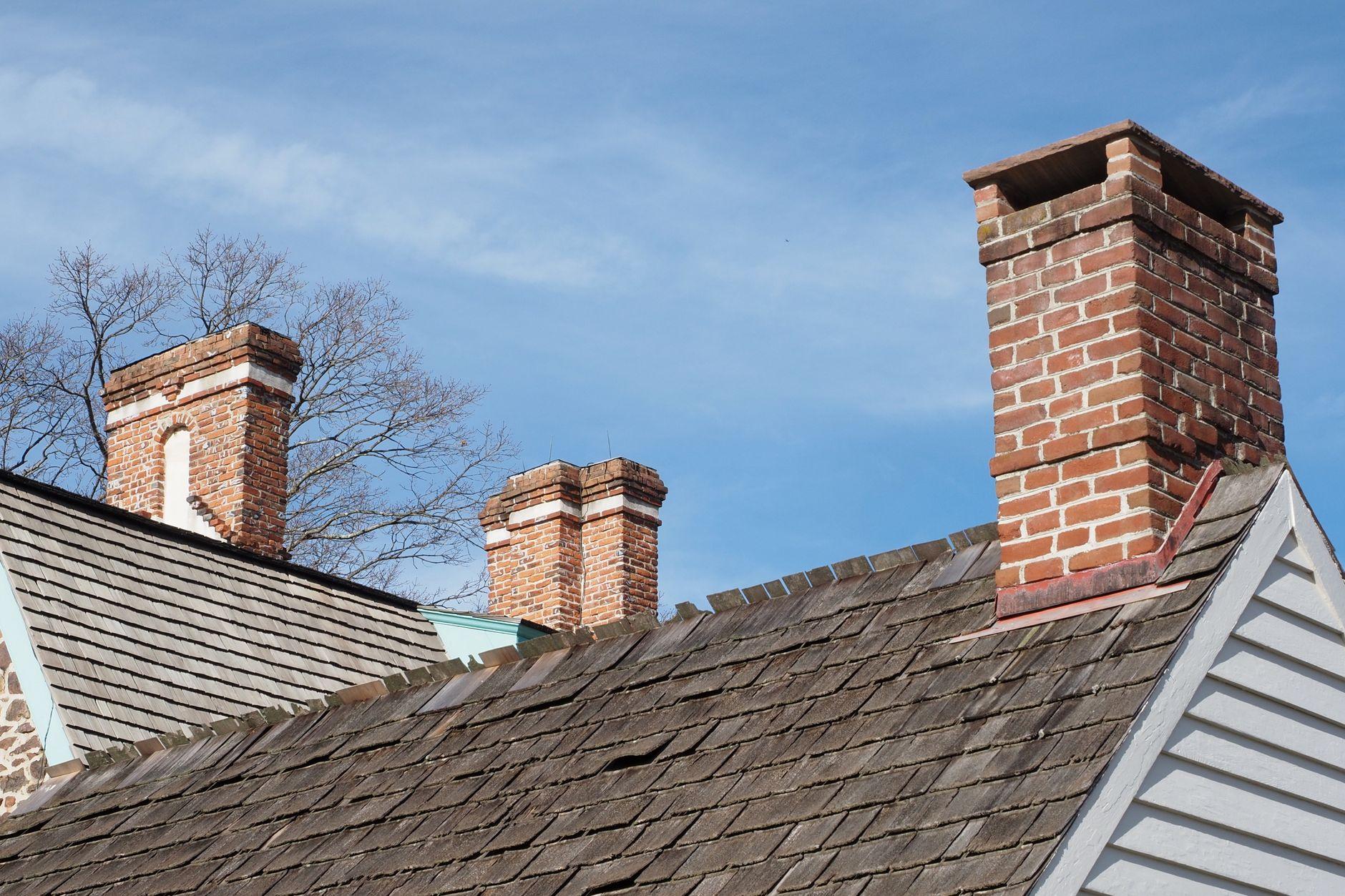
- The crown. A thin mortar wash on top of the stack cracks with heat and age, and every crack drains into the brick core.
- Mortar joints. Joints that have eroded back from the face hold water against the brick and let it seep inward.
- Spalled brick. Bricks that have lost their face soak up far more water than sound ones.
- Flashing. The metal that seals the roof to the stack can lift, rust or lose its mortar seal, and water runs behind it.
- The back of a wide stack. On the uphill side, a broad chimney catches water and debris unless something splits the flow around it.
Most leaks we trace in Riverside involve two or three of these, not one.
How we find the source
We start inside, at the stain, and work backwards. The attic shows where water reaches the framing and which side of the stack it comes from. On the roof we look at the cap, the crown, every face of the brick and the flashing. If the entry point still hides, one of us runs a hose over a single face or joint line at a time while the other watches the stain. The goal is to fix the right thing the first time, because sealing the wrong part of a chimney only moves the leak.
What the fixes cost
These are the leak-related jobs we price from a published range:
- A cricket built behind a wide stack to split the water around it: $425 to $960
- A fitted cap over the flue: quoted on site, and the price depends on size, material and how many flues it covers
- The cricket together with new step and counter flashing on all sides: $640 to $1,600
- Tracing the leak and stopping it, whatever the source: $530 to $3,200
Masonry work that turns up during a leak repair, such as repointing open joints, recasting a crown or relaying loose courses, does not have a fixed figure. We measure it on the roof and add it to the written price before any work starts.
Get a written leak repair price and tell us where the stain appears in the house, which way the chimney faces, and whether the leak shows up in every storm or only the heavy ones.
Doing the masonry part right
A leak repair is a good test of a mason. A few things we insist on:
- Joints are cut out before they are refilled. Smearing mortar over eroded joints traps water behind a skin that cracks off within a season or two.
- Mortar matches the brick. Older lime-laid stacks get a softer mix. Hard mortar in soft brick sends the cracking into the brick itself.
- Crowns are cast, not skimmed. A proper crown overhangs the brick and has a drip so water falls clear of the face. A new layer of mortar on top of a cracked one does not last.
- Flashing is let into the joints. Counter flashing is set into cut joints and sealed with mortar, not glued to the face of the brick with caulk.
- Repellents come last. A breathable masonry water repellent can help a sound stack shed rain, but it cannot fix open joints or cracked brick. Our waterproofing page covers when it is worth adding.
Why waiting costs more
Water in brick does slow damage. Every winter the saturated courses lose a little more mortar, and in time bricks loosen and faces flake off. A leak that would have been a cap and a flashing repair this year can become a crown, repointing and partial rebuild in a few years. Water reaching framing in the attic adds rot to the bill. Inland heat dries the stack quickly in summer, which hides the problem until the rain returns.
Leaks after a sale or inspection
If a leak shows up on a home inspection, our up to code repairs page lists the common fixes and prices together, and a Level 2 inspection at $370 documents the flue and the stack for buyers and sellers who need it in writing.
Where to go from here
Our leak repair page explains how we trace and stop water in more detail, and we work in Riverside and across nearby cities such as Placentia. To get a mason on your roof, start at our contact page.
Want This Looked at on Your Chimney?
A Hewitt mason sounds the brick, judges the joints and writes up the scope with the mortar named and the price set out before any work. Our crew works from Riverside across Anaheim, Placentia, La Verne and the towns around them.